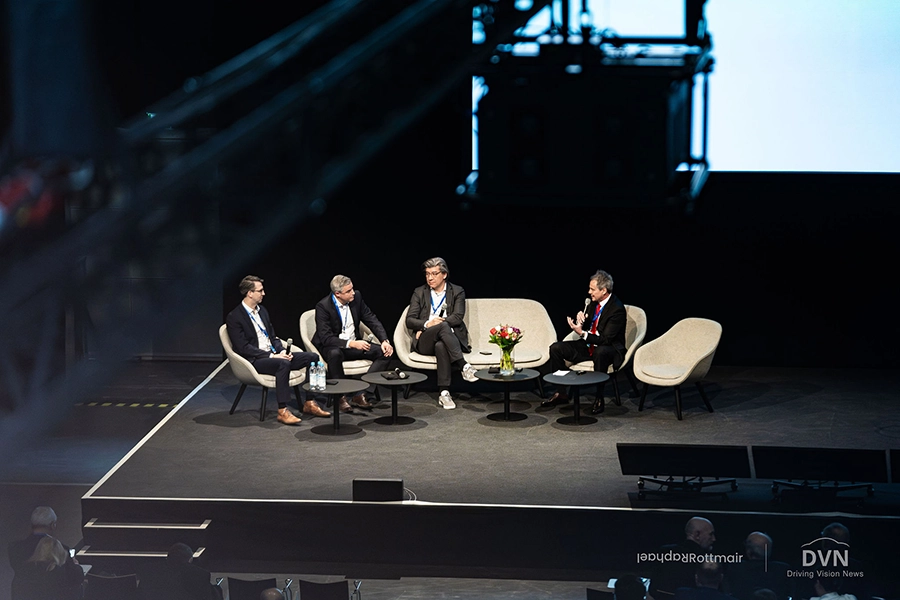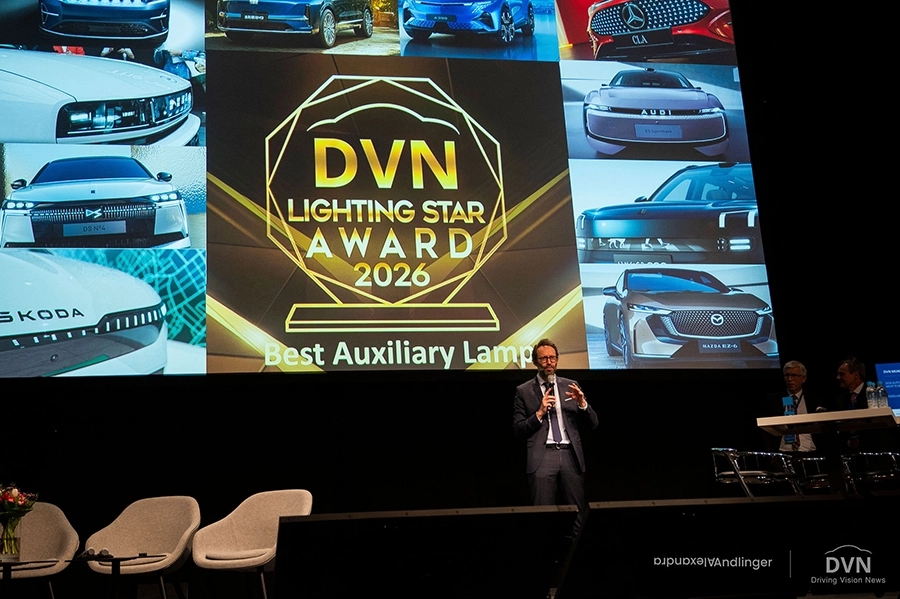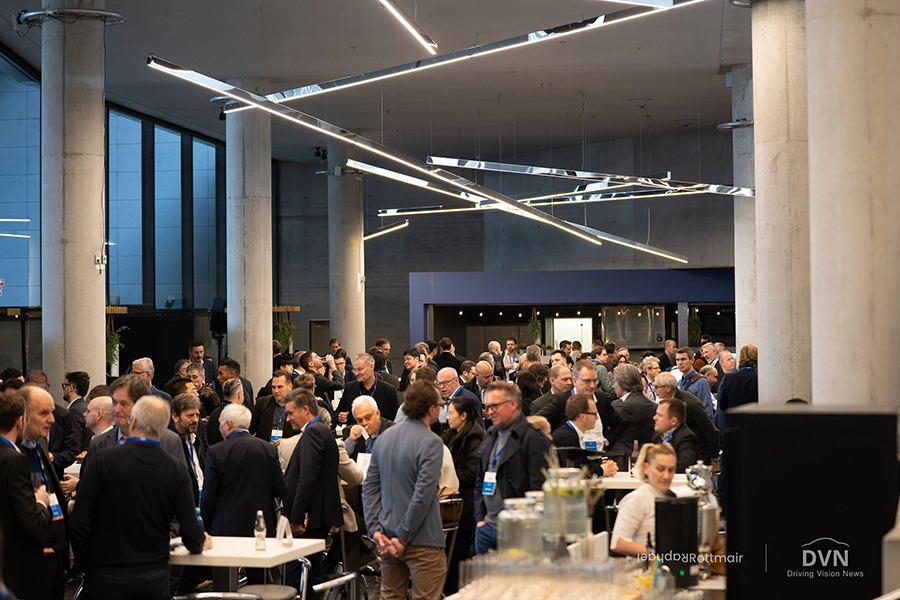
The Driving Vision News Lighting Workshop in Munich proved to be one of the most relevant platforms for discussing the future of automotive lighting. Hosted at the Small Olympiahalle Munich, the event drew more than 450–500 international participants and focused on themes such as sustainability, accelerated development, new software driven processes, and evolving design languages. Within this environment of forward looking dialogue, Swarovski Mobility presented a curated selection of concepts that highlight the brand’s distinctive approach to material based lighting innovation‑driven processes, and evolving design languages. Within this environment of forward‑looking dialogue, Swarovski Mobility presented a curated selection of concepts that highlight the brand’s distinctive approach to material‑based lighting innovation.
Swarovski Mobility’s presence at the workshop aligned seamlessly with the event’s emphasis on transformation within the lighting sector. As discussions revolved around simulation‑supported development, intelligent lighting control, and new holistic approaches that integrate safety, design, and user experience, the company showcased how crystal can support these directions through its optical purity, aesthetic clarity, and emotional resonance. While the workshop explored future industry challenges—including regulatory developments, sustainability pressures, and growing expectations for human‑machine interaction—Swarovski Mobility contributed a material perspective that complements these technological themes.
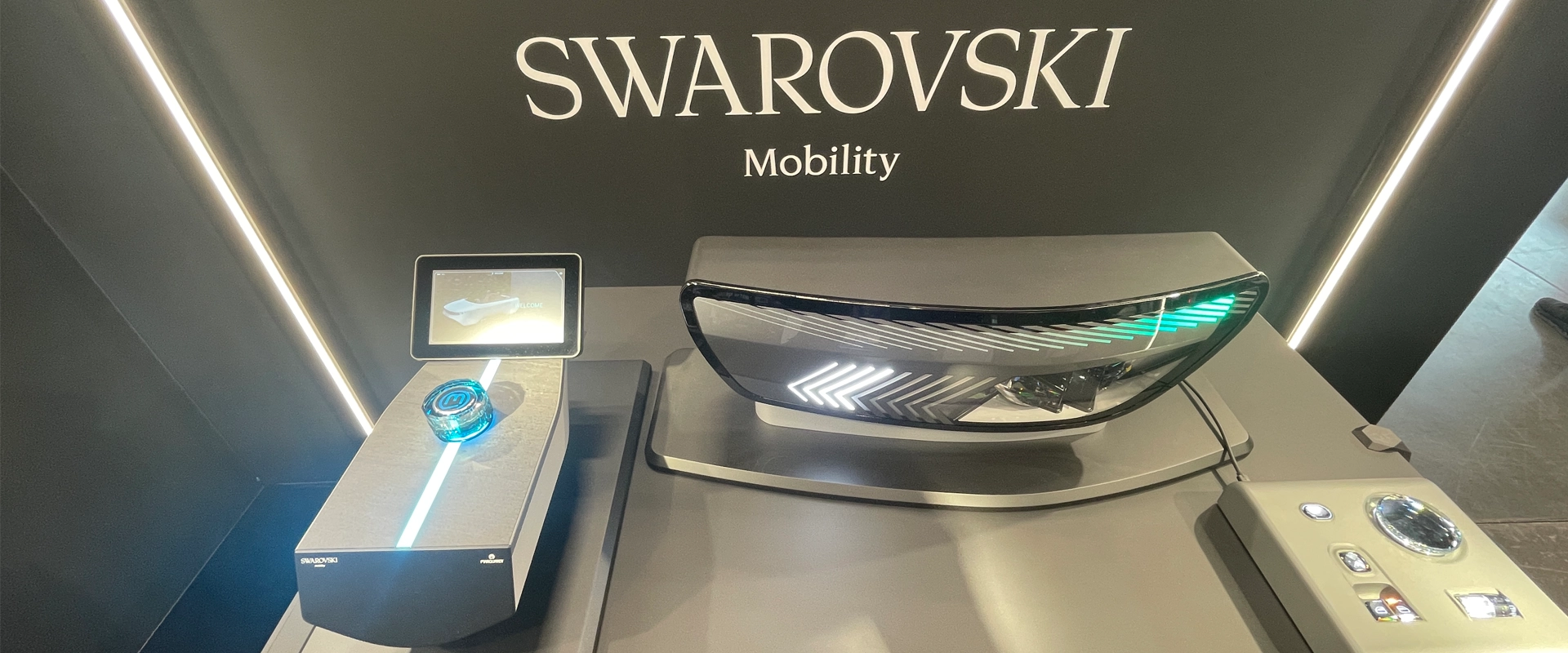
The selected mockups, presented to an audience deeply engaged in defining next‑generation lighting, illustrated how crystal can enrich both exterior expression and interior atmosphere. Among them was the Crystal FrontIQ Head Lamp concept, emphasizing the role of crystal in refining lighting signatures and elevating front‑end identity without dominating the technical narrative. Also featured was the Crystal Rotary Controller, developed in partnership with the Marquardt Group, which demonstrates how tactile interfaces can benefit from the material’s sensory qualities—clarity, weight, and precision—offering a nuanced contrast to increasingly digital interaction environments. Additionally, one of the new Crystal Interior Elements underscored the potential of material‑light interplay to shape cabin ambience in subtle and memorable ways. While Swarovski Mobility did not position these concepts as the technical focus of the event, they served as touchpoints for discussions about material innovation, light behavior, and design differentiation.
Throughout the workshop, presentations and roundtables highlighted the ongoing shift toward software‑enhanced lighting ecosystems and the industry’s need to accelerate development cycles through AI, simulation, and new validation methodologies. These conversations aligned with Swarovski Mobility’s commitment to exploring how crystal can support evolving lighting geometries, respond to integrated illumination strategies, and adapt to more compact, streamlined optical architectures. With the event spotlighting the increasing importance of lighting as both a functional and emotional element, the material‑driven approach resonated particularly well with designers, engineers, and strategists seeking meaningful ways to differentiate brands in a competitive landscape.
By participating in the Munich workshop, Swarovski Mobility reinforced its role as a collaborator and contributor within the global lighting community. Rather than focusing solely on product innovation, the emphasis shifted toward a broader mission: to merge material excellence with emerging lighting intelligence and to inspire new possibilities for expression in the vehicles of tomorrow. The event’s blend of technological depth and creative vision created the ideal framework to show how crystal can continue adding value—not only as a decorative element, but as a meaningful component of the evolving mobility experience.